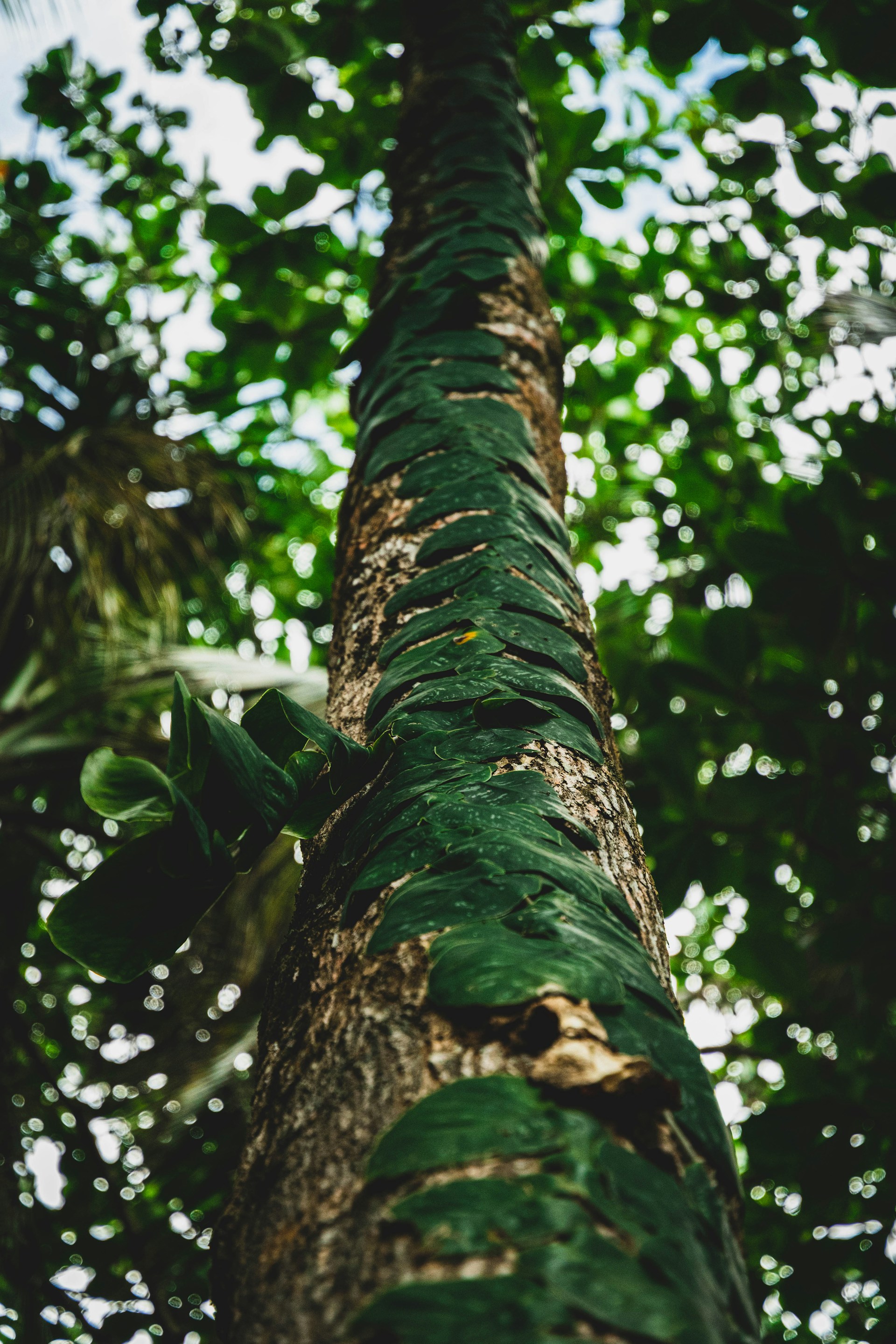
Photo by Julian Schneckenburger on Unsplash
In this article:
Located in the vibrant province of Limón, Cahuita National Park stands as a premier destination for travelers seeking a blend of pristine white sand beaches, turquoise Caribbean waters, and lush tropical rainforests. Established in 1970 as a national monument and later declared a national park in 1978, Cahuita is a unique example of "shared management," where the local community and the government work hand-in-hand to promote sustainable development and environmental protection.
A Sanctuary for Marine and Terrestrial Biodiversity
Cahuita National Park protects a diverse array of ecological systems across its 1,102 hectares of land and over 23,000 hectares of marine territory. The park’s name is derived from the terms "Kawe" (Sangrillo tree) and "Ta" (point), meaning Punta Sangrillo.
- The Coral Reef: The park is home to the most developed coral reef on Costa Rica’s Caribbean coast. Within its 600 protected hectares of reef, snorkelers can observe elkhorn coral, sea fans, and cerebriforme coral. The vibrant underwater world is teeming with life, including Queen Angelfish, Isabelita fish, sea cucumbers, lobsters, and sea turtles.
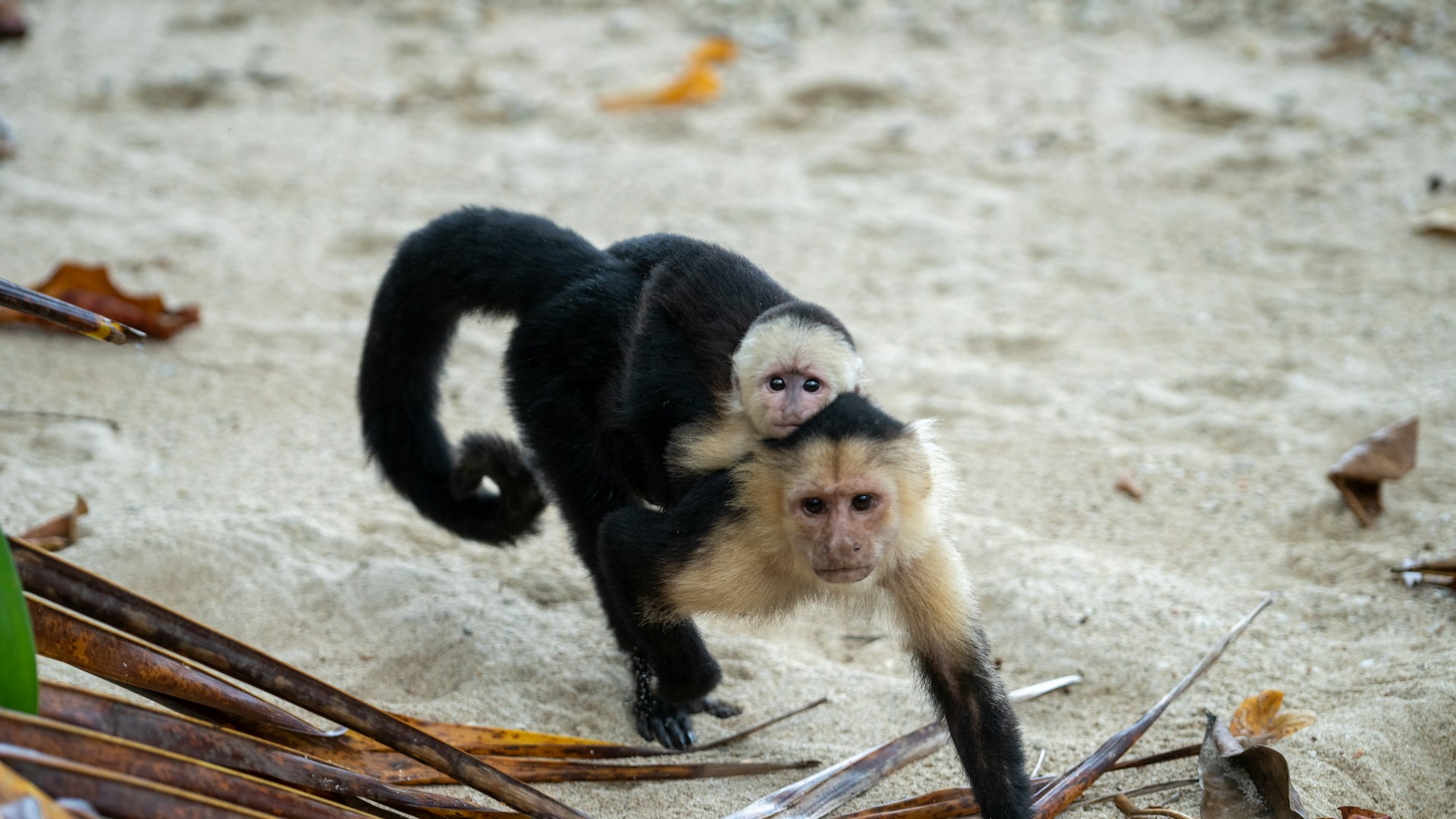
- Wildlife Sightings: On land, the coastal trails offer incredible opportunities for wildlife viewing. Visitors frequently encounter howler monkeys, white-faced capuchins, sloths, coatis, and iguanas. Birdwatchers can spot species like the common black-hawk, night herons, and trogons, while sharp-eyed hikers may notice the eyelash pit viper (tinsel snake) or the rainforest hognosed pitviper.
Cultural Heritage and Caribbean Flavor
The history of Cahuita is deeply tied to its residents. Originally settled in 1828 by the family of William Smith, the area was a hub for green turtle and hawksbill turtle conservation. Today, the town reflects a rich Afro-Caribbean heritage:
- Architecture & Music: Visitors can admire brightly painted houses on stilts—a classic Jamaican architectural influence—and enjoy the rhythmic sounds of Calypso music, a tradition maintained by local "calipsonians" since the late 1800s.
- Local Cuisine: No trip is complete without tasting authentic Caribbean flavors. Regional staples include Rice & Beans (cooked in coconut milk), Rondón (seafood stew), and savory Patí meat pies.
Planning Your Visit: Hours, Rates, and Rules
Cahuita National Park offers two main sectors for visitors:
- Playa Blanca Sector: Open daily from 6:00 am to 5:00 pm. Entry is based on a voluntary contribution in cash, which is reinvested directly into the local community.
- Puerto Vargas Sector: Open daily from 8:00 am to 4:00 pm. The entry fee for non-resident foreigners is $5.65 (IVA included). This sector also provides parking facilities.
Visitor Services & Safety:
To ensure a safe and sustainable visit, the park provides restrooms, showers, drinking water, and designated picnic areas. For the best experience, it is highly recommended to hire accredited local guides trained by the National Learning Institute (INA).
Important Regulations:
- Prohibited Items: Pets, alcoholic beverages, weapons, and drugs are strictly forbidden.
- Sustainable Practices: Visitors should stay on marked trails, use biodegradable sunscreen, and avoid standing on or touching the coral reefs.
Whether you are hiking the shoreline trails or snorkeling through the most preserved reef in the region, Cahuita National Park offers a profound connection to both nature and the heritage of the Caribbean coast.
Learn more
Off the Cutting Room Floor

About the Author
The Breakfast Included Team pools expert advice and local insights to empower every traveler to explore the world with confidence and curiosity.
Visit author page