

Photo by Raúl Mermans García on Unsplash
In this article:
If you are planning a trip to Spain this spring, you will arrive during one of the most significant cultural events in the country. Semana Santa, which is Spanish for Holy Week, is a time when cities across Spain transform into stages for ancient traditions. In 2026, these celebrations begin on Sunday, March 29, and continue through Easter Sunday on April 5. Whether you are a religious traveler or someone who enjoys history and art, knowing what to expect will help you navigate this busy week.

What is Semana Santa?
Semana Santa is the week leading up to Easter Sunday. While many countries celebrate this holiday, Spain is famous for its massive street processions that date back hundreds of years. Local religious groups called brotherhoods or cofradías carry enormous floats through the city streets. These floats, known as pasos, are decorated with intricate statues that tell the story of the Passion of Christ. Many of these statues are considered national treasures and are kept in local churches for the rest of the year.
The people walking in the processions are called nazarenos. They wear long robes and tall pointed hoods called capirotes. While these hoods might look unfamiliar to visitors from the United States, in Spain they represent penance and a desire to be closer to heaven. According to the official tourism portal of Spain, these processions are often accompanied by marching bands playing brass music, though some brotherhoods prefer to march in total silence to show respect.
Choosing the Right City for Your 2026 Trip
Every region in Spain has its own way of celebrating Holy Week. If you want to see the most famous and crowded events, you should visit the region of Andalusia in the south. Seville is the most popular choice because it has over sixty brotherhoods and some of the most dramatic processions in the world. However, because Seville is so popular, the streets are very crowded and hotels can be quite expensive.
Curious about Seville? Read "Semana Santa in Seville: Get to Know Holy Week + Insider Tips"
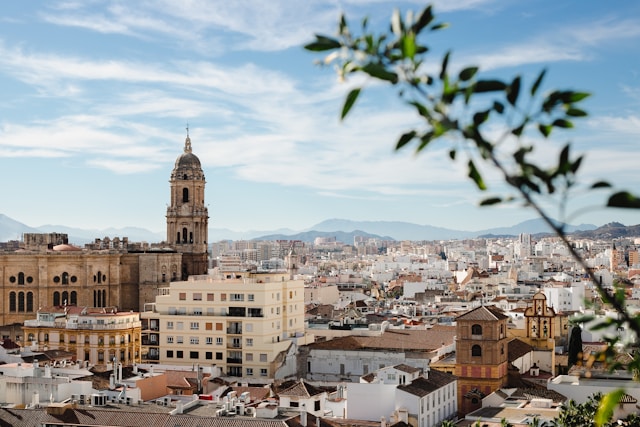
Málaga is another great option in the south where the floats are much larger and heavier than in other cities. If you prefer a more quiet and serious experience, you might enjoy cities in the north like Zamora or Valladolid. These cities focus on a more somber atmosphere with less music and smaller crowds. Madrid also has beautiful processions, and because it is a larger city, it can be easier to find quiet areas away from the festivities if you need a break from the noise.
Navigating the Logistics of Holy Week
Traveling during Semana Santa in 2026 requires careful planning. Since this is a major holiday for both locals and tourists, many hotels sell out months in advance. You should also expect higher prices for flights and accommodations. If you are trying to save money, consider staying in a neighborhood outside the city center and using the metro or trains to reach the main event areas.
You should also be aware that many streets will be closed to cars and buses to make room for the processions. This means you will do a lot of walking on cobblestone streets. It is very important to wear comfortable shoes and bring a small bag with water and snacks. Many shops and offices will close on Maundy Thursday and Good Friday, but most restaurants will stay open to serve the large crowds. Information from the Spanish Ministry of Industry and Tourism suggests that travelers should make dinner reservations at least a week before they arrive to ensure they have a place to eat during the busy holiday.
Respectful Travel Tips for Beginners
Even though the atmosphere can feel like a festival, it is important to remember that this is a religious event for many people. When a procession is passing by, try to keep your voice low and avoid loud conversations. It is considered very rude to walk through the line of nazarenos while they are marching. If you need to get to the other side of the street, you should walk around the block or wait until there is a large gap in the parade.
You may also notice that many locals dress in their best clothes, especially on the final days of the week. While you do not have to wear a suit or a dress, wearing neat and modest clothing will help you feel more comfortable in the crowds. Finally, always check the local weather forecast. If it rains, many brotherhoods will cancel their processions to keep the wooden statues dry, so it is helpful to have an indoor activity like a museum visit planned as a backup.
Learn More
- Spanish Ministry of Industry and Tourism: https://www.mintur.gob.es/en-us
- Spain.info Calendar: https://www.spain.info/en/calendar/easter-week-sevilla/
- Don Quijote Cultural Guide: https://www.donquijote.org/spanish-culture/holidays/easter/
- Barcelona Tourism Guide: https://www.barcelonaturisme.com/wv3/en/page/4557/holy-week.html

Off the Cutting Room Floor

About the Author
The Breakfast Included Team pools expert advice and local insights to empower every traveler to explore the world with confidence and curiosity.
Visit author page