
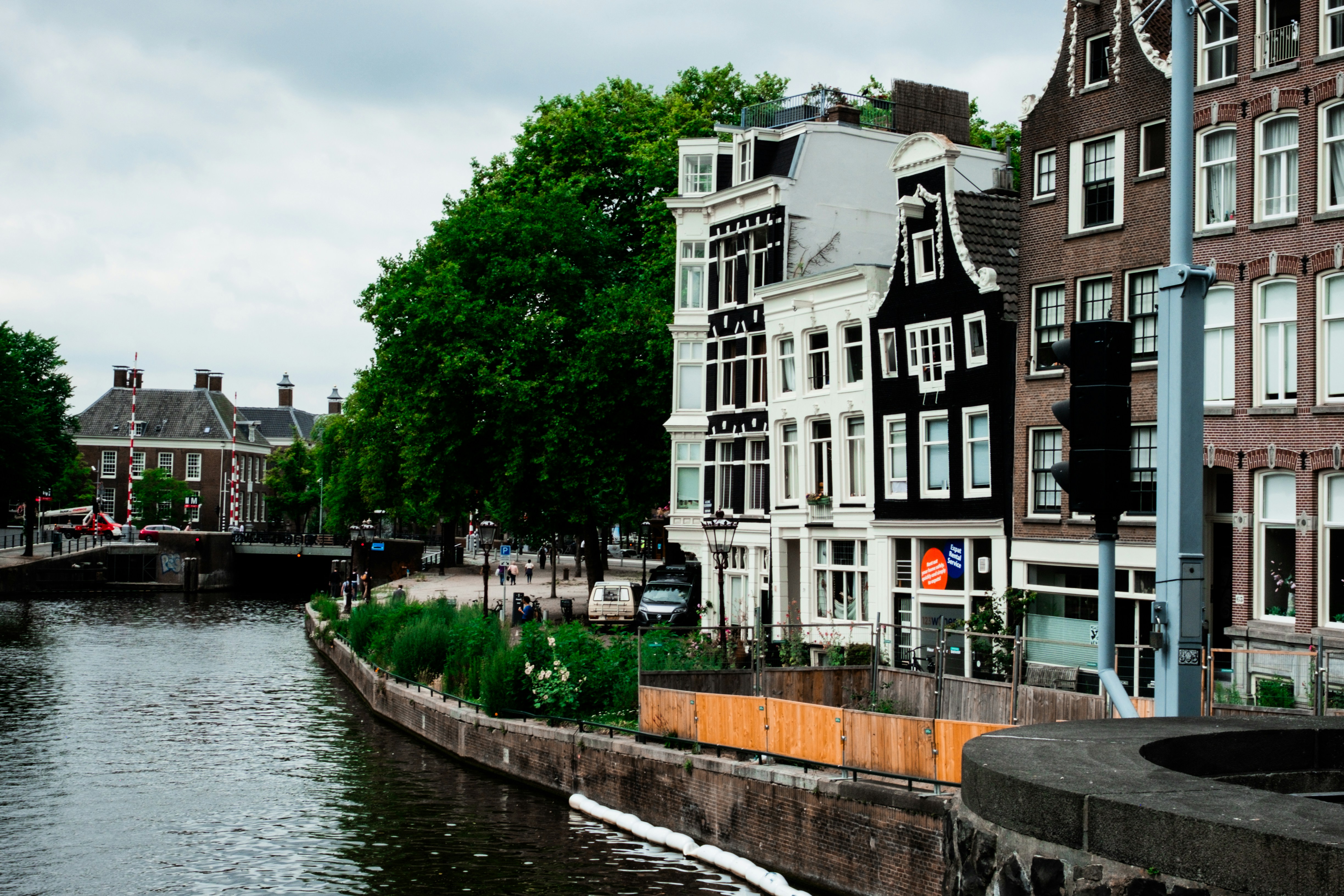
Photo by Benoit Roy on Unsplash
In this article:
In an era defined by "fast everything," a quiet revolution is taking place in how we explore the world. If you’ve ever returned from a vacation feeling like you need another vacation just to recover, you’ve likely experienced the pitfalls of "checklist tourism."
In 2026, the travel industry is seeing a massive shift toward Slow Travel. But what exactly is it, and why is it becoming the dominant way to see the world this year?
Over 60% of travelers prioritize a "mental reset" above all else.
Defining Slow Travel
At its core, slow travel is a mindset. It is the choice to prioritize depth over breadth and connection over checklists. Instead of trying to squeeze three countries into ten days, slow travelers might spend those same ten days in a single neighborhood or a small cluster of villages.
According to Backroads' 2026 Outlook, travelers are increasingly "slowing down and rediscovering the rewards of moving with their own strength," shifting the focus from seeing famous monuments to understanding local rhythms through human-powered travel like cycling and hiking.
Key Pillars of the Slow Travel Philosophy:
- Quality over Quantity: Visiting one museum and spending three hours there, rather than hitting five in one afternoon.
- Local Immersion: Shopping at neighborhood markets, learning basic phrases, and staying in residential areas.
- Sustainable Pace: Choosing trains over planes and walking over taxis to see the "in-between" details of a destination.
Why 2026 is the Year of the "Slow-Down"
Recent data from the KAYAK 2026 "What the Future" Report shows that over 60% of travelers prioritize a "mental reset" above all else. This has led to a massive surge in #slowtravel content, which saw a 330% increase in social media mentions leading into this year.
Travelers are moving away from "viral" destinations seen on social media in favor of "Non-Viral Destinations"—lesser-known corners like Colombia's Coffee Triangle or inland Croatia (Explore Worldwide, 2026).
The 3 Biggest Benefits of Slowing Down
1. It’s Better for Your Budget
While it sounds counterintuitive, staying longer in one place is often significantly cheaper. You can take advantage of weekly or monthly discounts on rentals and avoid the high costs of frequent flights. Younger travelers are increasingly using this "linger-longer" strategy to make luxury feel accessible (KAYAK, 2026).
2. It’s Better for the Planet
Slow travel is inherently more sustainable. Choosing rail over short-haul flights can cut your travel emissions by up to 86-90% (CarbonClick, 2025). In 2026, rail bookings have surged by 25% as travelers embrace the journey itself as part of the adventure.
3. It Fosters "JOMO" (Joy of Missing Out)
Instead of the anxiety of trying to see everything, slow travel embraces the joy of discovery. As Insight Vacations suggests, this approach "allows you to get beneath the surface," turning a trip into a series of meaningful memories rather than a blurred gallery of photos.
How to Practice Slow Travel This Year
You don't need a three-month sabbatical to travel slowly. You can apply these principles to any trip:
- Pick one "Home Base": Instead of a multi-city tour, stay in one villa or apartment for the entire duration.
- The "One-Thing" Rule: Plan only one major activity per day. Leave the rest of the time for wandering.
- The "Hidden Season": Visit destinations during the shoulder season—like Japan in autumn or Morocco in spring—for lower prices and fewer crowds (Explore Worldwide, 2026).
Off the Cutting Room Floor

About the Author
The Breakfast Included Team pools expert advice and local insights to empower every traveler to explore the world with confidence and curiosity.
Visit author page